How to Mix Budget and Splurge Pieces in One Room
By Doreen Corrigan · Published · Updated · 4 min read
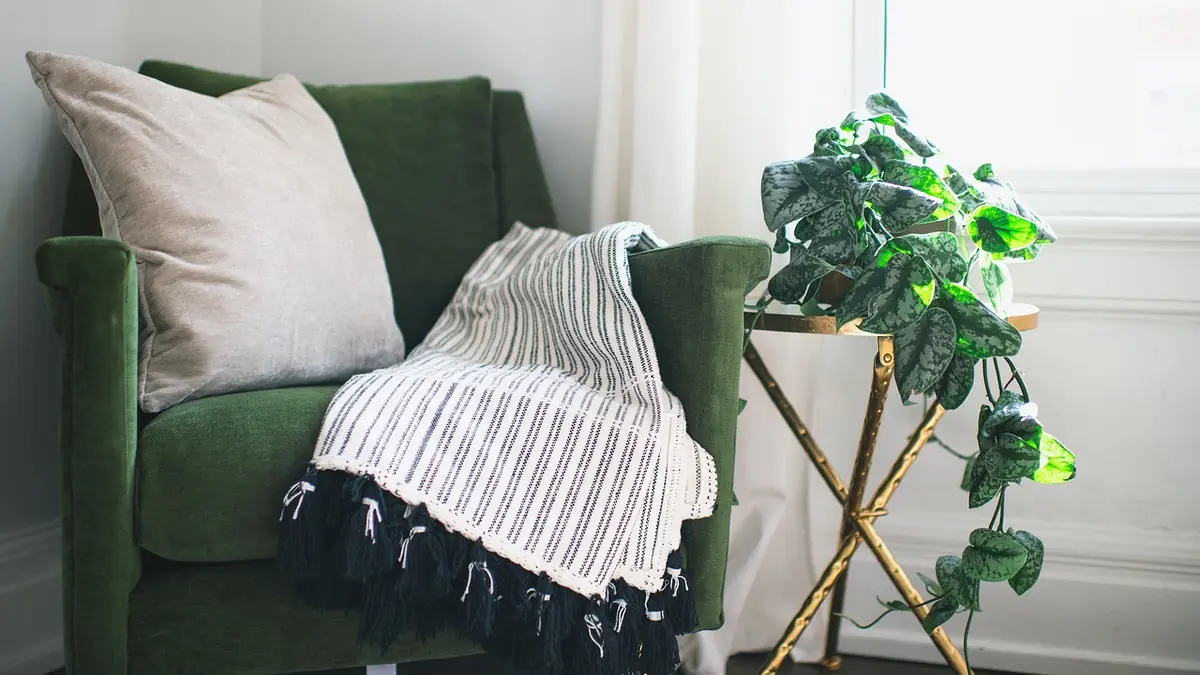
High-low decorating isn't about hiding cheap pieces next to expensive ones. It's a spending plan: a few anchors that get used daily and last a decade, surrounded by inexpensive pieces that carry colour, texture and trend.
Most well-balanced rooms land somewhere near 70/30 — roughly two-thirds budget, one-third splurge — though the split shifts with the room and the household. What matters is that every splurge earns its place through daily use, and every budget buy looks deliberate rather than apologetic.
Start With a Ratio, Not a Shopping List
Before you buy anything, sketch the room and mark each item as anchor (used daily, hard to replace), support (visible but low-contact) or filler (seasonal, decorative, easy to swap). A common working split is 60–70% budget, 30–40% splurge, and it's worth writing your own numbers down before a sale tempts you into a fourth splurge.
The ratio protects you from two failure modes: a room of flimsy pieces that sag within two years, and a room so precious nobody sits on the sofa. If a room is used by children, pets or guests in wet coats, push the budget share higher — 75/25 is reasonable — and put the splurge where hands and feet don't land.
- Anchor: sofa, dining table, mattress, main rug
- Support: side tables, lamps, shelving, curtains
- Filler: cushions, throws, vases, art, seasonal pieces
Where the Splurge Actually Pays Off
Spend on the things your body touches and the things that must survive being sat on, spilled on and moved. A sofa frame with hardwood and jointed corners, a dining table in solid wood, a mattress, and a rug large enough to sit under the front legs of the seating all justify their price over ten years of daily use.
Lighting is the most underrated splurge. One good floor or table lamp with a warm bulb (2700–3000K) does more for a room than a new paint colour, and it's the piece guests notice without knowing why. Expect to pay somewhere in the range of 3–5 times a budget equivalent for a lamp you'll keep for a decade.
- Seating and sleeping surfaces first
- Anything that bears weight or opens and closes daily
- One statement light fixture in the main sightline
- A rug sized to the room, not the coffee table
Where Budget Buys Hold Up Beautifully
Textiles, ceramics, glass, baskets, picture frames and books do their job at almost any price. Cushion covers, throws, curtains and table linens can be replaced every few years for the cost of one splurge, which makes them the right place to follow a colour trend or a seasonal mood without regret.
Painted or veneered side tables, open shelving and simple stools are also safe budget territory, because they carry little weight and are easy to repaint or replace. The one rule: buy the sturdiest version of the cheap thing. A wobbly occasional table next to an expensive sofa reads as a mistake, not a contrast.
- Cushions, throws, curtains, bedding layers
- Vases, bowls, trays, candleholders
- Baskets, magazine files, desk accessories
- Frames and prints — reframe rather than re-buy
Make the Contrast Look Intentional
High-low rooms fail when the cheap piece looks like it's apologising. Repeat finishes across price points — three touches of warm wood, two of black metal — so the eye reads a scheme rather than a receipt. Keep the palette to three or four core colours and let the splurge piece lead it.
Scale matters as much as price. A budget cushion looks better oversized on a good sofa than small and polite. Group inexpensive objects in odd numbers on a tray to give them weight, and give the expensive piece empty space around it. A splurge item crowded by cheap clutter stops reading as special.
- Repeat two or three materials throughout the room
- Keep a single palette across price points
- Give the splurge piece breathing room
- Group budget objects in threes on a tray
| Item | Budget option | Splurge option | Worth the upgrade? |
|---|---|---|---|
| Sofa (3-seat) | £400–£800 | £1,200–£3,000 | Yes — daily use, 10+ years |
| Area rug (160x230cm) | £60–£150 | £300–£900 | Yes — comfort and wear |
| Floor lamp | £25–£60 | £120–£400 | Often — light quality shows |
| Coffee table | £50–£150 | £250–£800 | Sometimes — check joints |
| Cushions (each) | £8–£20 | £35–£80 | Rarely — swap freely |
| Curtains (pair) | £30–£70 | £100–£250 | Depends on size and lining |
| Side table | £25–£70 | £120–£350 | Rarely — paint or replace |
A Realistic Budget Split for a Living Room
For a living room furnished from scratch, a workable split for a mid-range household is roughly: 40% seating, 15% rug, 15% lighting, 15% storage and tables, 15% textiles and decor. In cash terms, a room refreshed for £2,000–£4,000 typically puts £800–£1,600 into the sofa alone and spreads the rest thinly but deliberately.
If the budget is tighter, don't divide it evenly. Buy the sofa second-hand in good condition or spend on a sturdy frame with basic upholstery, then put the saved money into the rug and one lamp. Our guide to refreshing a living room on a budget breaks down these figures room by room.
- Sofa and chairs: 35–45%
- Rug: 10–20%
- Lighting: 10–20%
- Tables and storage: 10–20%
- Textiles and decor: 10–15%
Mixing Old, New and Second-Hand
Second-hand pieces are the quiet cheat code in high-low decorating: solid wood at budget prices, with the wear that makes a room feel lived in. Check joints, drawer runners and smell before you buy, and measure the car before you commit. A £60 second-hand sideboard can sit beside a new sofa and look like the more expensive piece.
When buying second-hand, keep one rule: buy structure, not upholstery. Chairs, tables, cabinets and frames are safe; sofas and mattresses rarely are. Before any thrift run, run through our checklist before you buy so a bargain doesn't become a corner-filler you resent.
When to Break the Ratio
Small rooms and rental kitchens often do better with a 50/50 split, because one good light fixture and one good chair can carry a whole corner. Family rooms with heavy traffic should lean the other way — put the money into washable covers, a durable rug and storage that closes, and keep the decorative layer cheap and replaceable.
If you're planning a seasonal refresh, leave room in the budget for one small upgrade a year rather than a full redo. A yearly schedule, like our 12-day seasonal home plan, spreads splurges out so each one lands when you'll actually use it.
- Aim for roughly 70% budget, 30% splurge — and shift toward budget in busy family rooms.
- Spend on what your body touches: sofa, table, mattress, rug and one good lamp.
- Keep textiles, ceramics and frames inexpensive so you can change them without guilt.
- Repeat two or three materials across price points so the contrast reads as a choice.
Doreen writes about home decor, family living spaces and seasonal giveaways from a hands-on, budget-minded point of view. She focuses on practical room refreshes, honest cost breakdowns and simple styling ideas that work for busy families. Her goal is to help readers make confident decor decisions without overspending.