Living Room Reveal: Sources, Styling Choices, and What It Cost
By Doreen Corrigan · Published · 6 min read
A living room reveal is easy to photograph and hard to explain. This one took about eleven weeks of slow decisions, two returns, and one rug that sat rolled in the corner for a fortnight while I argued with myself about the border. Below is the finished room, plus honest notes on what came from where, what I'd buy again, and what I'd skip.
I've grouped everything by the job it does — anchoring, seating, light, texture, and the small things — because that's the order the room actually came together in. Prices are given as typical ranges rather than exact receipts, since sales and stock shift constantly and a number that's true in one season rarely stays true.
Start With the Anchor: Rug, Sofa, and Layout
Everything in this room hangs off two decisions: a 9x12 wool rug in a warm oatmeal with a low-contrast border, and a sofa that fits the long wall without crowding the walkway to the kitchen. The rug is the single most important purchase in an open living space — too small and the whole room reads like furniture pushed against the walls. A good rule: the front legs of every seat should sit on the rug, and in a room this size that usually means 8x10 at minimum, 9x12 if you can.
The sofa is a standard 84-inch three-seater in a performance-weave fabric, a mid-tone linen blend that hides crumbs and cat hair far better than the pale ivory I originally wanted. Typical ranges: a mid-range upholstered sofa runs roughly $1,200–$2,800; the performance fabric upgrade usually adds 10–20%. I sat on nine sofas over three weekends before choosing, which sounds excessive until you've bought one online and regretted it.
Layout is deliberately asymmetric. The sofa faces the fireplace but sits slightly off-centre so there's a clear path behind it. Two swivel chairs flank the hearth rather than matching the sofa, which keeps the room from looking like a showroom set. If you're mid-project and drowning in decisions, it helps to work through a 10-Day Home Reset: What to Declutter and in What Order before buying anything else, so you're not styling around clutter.
- Rug: 9x12 wool, low-pile, warm neutral with a subtle border
- Sofa: 84-inch, performance linen blend, bench seat
- Layout: sofa off-centre, two swivel chairs at the hearth
- Keep 30–36 inches of walkway behind seating
Lighting in Layers, Not One Big Fixture
The ceiling fixture is the least important light in the room. What actually makes this space usable after 5pm is three layers: a pair of table lamps on the console, a floor lamp behind the reading chair, and a dimmable overhead on a warm bulb. Combined, they cost less than the sofa and do more for how the room feels at night than any single piece of furniture.
Bulb temperature matters more than people expect. Anything above 3000K reads cold and blue against warm neutrals; 2700K is the sweet spot for living rooms, and 2400K if you want that amber evening glow. I put everything on dimmers — a $25–$60 add per switch if your wiring allows — and the difference at 8pm is genuinely the thing guests comment on.
The floor lamp is a slim brass arc with a linen drum shade, roughly $150–$400 depending on the shade size. The table lamps were the splurge, a pair of ceramic bases in a matte cream. If you're weighing where to spend versus save on a refresh like this, my cost breakdown in How Much Does It Cost to Refresh a Living Room on a Budget? covers the ranges I actually worked with.
- Overhead: dimmable, 2700K bulbs, never the only light source
- Two table lamps at the console, 60–75W equivalent
- One floor lamp behind the main reading chair
- Dimmers on every switch that allows it
The Coffee Table and the Styling Rule I Broke
The coffee table is a round mango-wood piece, 36 inches across, which suits the room better than the rectangular one I first brought home because it softens all the straight lines from the sofa and windows. Round tables also let people walk around them without hip bruises, which matters in a room with this much traffic.
Styling on top is three things, not seven: a stack of two books, a low bowl, and one small ceramic object. I broke my own rule for about a month and styled it with a tray, candles, a plant, and a bowl, and the room immediately felt fussy. The fix was subtraction. A useful test: if you can't put down a mug without rearranging, there's too much on the table.
Underneath, a single large basket holds throws, and that's the only storage in the open. Everything else lives in the console drawers. For anyone staging photos of a finished room, the small reset steps in the Family Room Reveal Checklist: 12 Steps Before You Share Photos are worth doing before you pick up a camera — the clutter you stop seeing is the clutter the lens finds.
Textiles: Where the Warmth Comes From
Neutral rooms go flat fast without texture, so the soft furnishings here are doing heavy lifting. Curtains are unlined linen-blend panels hung high and wide — rod at the ceiling line, panels extending 10–12 inches past the window frame on each side. That single trick makes standard windows read far larger and costs nothing extra beyond a longer rod.
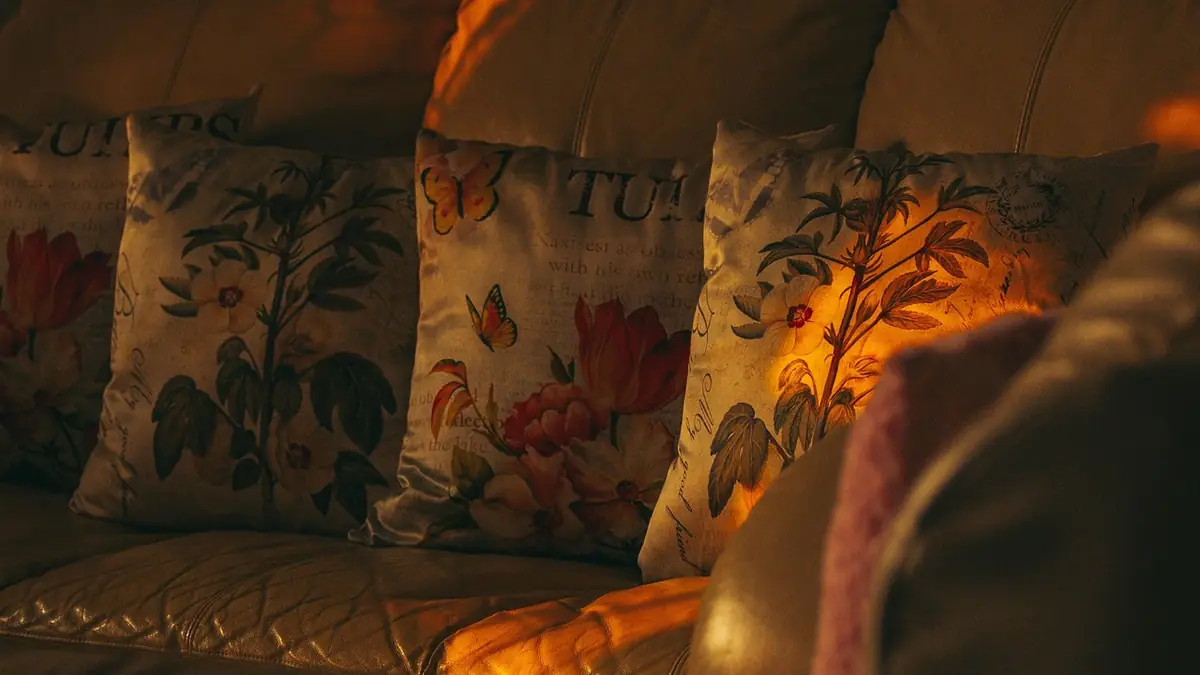
Pillows are a mix of sizes: two 22-inch squares, two 20-inch, one long lumbar. The inserts are down-alternative at a firm fill so they hold their shape instead of slumping. Covers rotate by season — a heavier boucle in winter, a lighter cotton in summer — which is cheaper than buying new pillows and keeps the room from feeling static.
The throw is a chunky knit in a slightly darker tone than the sofa, which gives the eye something to land on. Typical spend for the textile layer: curtains $120–$400 per window, covers $15–$40 each, inserts $20–$45, throws $40–$120. It's the cheapest way to change how a room reads, and the first place I'd spend again.
- Rod mounted at the ceiling, panels 10–12 inches past the frame
- Pillow mix: two 22-inch, two 20-inch, one lumbar
- Firm down-alternative inserts so covers hold shape
- Rotate covers seasonally instead of replacing pillows
What I'd Do Differently
Two things. First, I'd buy the rug before the sofa rather than after — the sofa colour was chosen against a bare floor, and in daylight the two are closer in tone than I'd like. A slightly darker rug would have given more contrast and grounded the seating better. Second, I'd have waited on the accent chairs; the pair I bought first were too small, and the swivels that replaced them were the right call but an expensive lesson.
The bigger takeaway is about pace. The room came together over roughly three months of small purchases, and the pieces I bought in a hurry are the ones I've since sold or moved to another room. Anything that sat in my saved list for a month and still felt right turned out to be right. If you're planning a seasonal refresh rather than a full reveal, the pacing ideas in 12 Days of Holidays: Planning a Seasonal Home Schedule translate well to any room, any time of year.
| Category | Budget range | What I chose | Worth the splurge? |
|---|---|---|---|
| Rug (9x12 wool) | $400–$1,400 | Low-pile oatmeal wool | Yes — anchors everything |
| Sofa (84-inch) | $1,200–$2,800 | Performance linen blend | Yes, if it fits the walkway |
| Accent chairs (pair) | $500–$1,800 | Two swivel chairs | Wait and test sizes |
| Lighting (all layers) | $300–$900 | Pair of lamps, floor lamp, dimmers | Yes — changes evenings |
| Curtains and hardware | $200–$600 | Linen blend, ceiling-mounted rod | Yes — cheap ceiling height |
| Pillows and throw | $150–$400 | Mixed sizes, seasonal covers | Best value per dollar |
| Coffee table | $200–$900 | Round mango wood, 36 inch | Only if shape suits the room |
Sources, Honestly
Most of this room is a mix of mid-range retail and secondhand. The sofa and rug were new; the console is a vintage find refinished with a chalk paint and wax finish; the side tables came from a house clearance. The brass floor lamp was new, the ceramic table lamps were a sale purchase at roughly 40% off, and the artwork is a mix of two prints and one original I've had for years.
Sale timing is worth planning around. Upholstery and rugs tend to discount hardest around long holiday weekends and again in late January, often 20–40% off. If a specific piece is on your list and the discount is real, it's worth understanding what you're actually getting — the thinking in Serena and Lily Sale Picks: How to Spot Real Value applies well beyond one brand. The one thing I paid full price for was the rug, and I don't regret it.
- New: sofa, rug, floor lamp, curtain panels
- Secondhand: console, side tables, one large basket
- Sale: ceramic table lamps at roughly 40% off
- Artwork: two prints, one original owned for years
- Buy the rug before the sofa so the fabric is chosen against the floor it will actually sit on.
- Layer three light sources at 2700K with dimmers; the ceiling fixture alone will never make the room feel right.
- Hang curtains at the ceiling line and extend them 10–12 inches past the frame to make standard windows read larger.
- Pieces that survive a month on your saved list are usually the right ones; the hurry buys get sold.
Doreen writes about home decor, family living spaces and seasonal giveaways from a hands-on, budget-minded point of view. She focuses on practical room refreshes, honest cost breakdowns and simple styling ideas that work for busy families. Her goal is to help readers make confident decor decisions without overspending.