Family Room Reveal: Sources, Styling and What It Cost
By Doreen Corrigan · Published · 4 min read
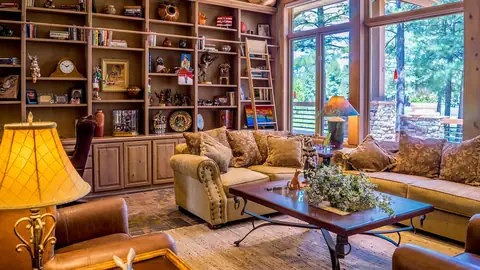
A family room is never really finished, but this one has reached the point where the big pieces are in place, the shelves are styled, and the room works for movie nights and homework at the same time. Below is everything that went into it, with the kind of price ranges you can actually plan around.
I have kept the receipts, so to speak. Every choice here is described by what it is, why it landed in this room, and what it typically costs at a mid-range budget — no vague 'splurge versus save' talk without numbers. Use it as a template rather than a shopping list.
Start With the Layout, Not the Decor
Before a single cushion was chosen, the seating was taped out on the floor with painter's tape and left there for four days. A family room needs about 36 inches of walkway between the sofa and the coffee table, and closer to 42 inches on the path between the door and the far side of the room. Taping it out first saved us from buying a sectional that would have made the doorway feel like a squeeze.
The room is roughly 15 by 18 feet, which is a common size for a suburban family room. We floated the sofa a few feet off the back wall rather than pushing it flush, which gives the room a walkway behind it and makes the whole space feel wider. If your room is narrower than about 12 feet, keep seating against the wall instead — a floating sofa in a narrow room just creates an awkward corridor.
- Leave 36 inches between seating and coffee table
- Keep 42 inches on main walking paths
- Float the sofa only if the room is 13 feet wide or more
- Measure doorways before ordering any sectional
The Sofa and Chairs: Where the Budget Went
The largest single line item was the sofa: a deep-seated three-seater in a performance fabric, which ran about $1,600 to $2,400 at mid-range. Performance fabric matters in a family room because it handles spills and marker stains; the trade-off is a slightly stiffer hand than linen. We chose a light greige, which hides dust better than pure white but still keeps the room bright.
Two swivel chairs flank the coffee table, and they were the best value in the room at roughly $500 to $800 each. Swivels let someone turn toward the television or toward the conversation, which is exactly what you want in a room with two jobs. The armchair in the corner was a secondhand find reupholstered for around $400 — often cheaper than new, and you get a better frame.
- Sofa: $1,600–$2,400 in performance fabric
- Two swivel chairs: $500–$800 each
- Reupholstered secondhand chair: about $400 total
- Budget roughly 40–50% of the room budget on seating
Rug, Coffee Table and Lighting
The rug is a flat-weave wool in a faded geometric pattern, 8 by 10 feet, at about $500 to $900. Wool costs more than polypropylene but wears better and does not pill in high-traffic spots. The rule that helped most: the rug should extend at least 6 inches past the front legs of every seat, and ideally all four legs of the sofa sit on it. That single guideline makes a modest rug read as a proper anchor.
Lighting was layered rather than centered on one fixture. A flush mount handles general light, two table lamps at about $80 to $150 each add warm pools at eye level, and a floor lamp in the reading corner cost around $120. Total lighting came in near $600. Dimmers on the main fixtures were about $25 each and did more for the room's evening mood than any single piece of furniture.
- 8x10 wool flat-weave rug: $500–$900
- Rug should pass 6 inches beyond front legs of seating
- Table lamps: $80–$150 each
- Add dimmers — roughly $25 per switch
| Category | Typical range | Share of budget | Notes |
|---|---|---|---|
| Sofa | $1,600–$2,400 | 30–35% | Performance fabric worth the upcharge |
| Chairs (two) | $1,000–$1,600 | 18–22% | Swivel adds flexibility |
| Rug (8x10) | $500–$900 | 10–12% | Wool outlasts synthetic |
| Lighting | $400–$600 | 8–10% | Layer three sources plus dimmers |
| Side tables and console | $700–$1,500 | 12–18% | Can be secondhand or painted |
| Accessories and shelves | $300–$600 | 5–8% | Shop the house first |
Open Shelves and the Styling Rules I Broke
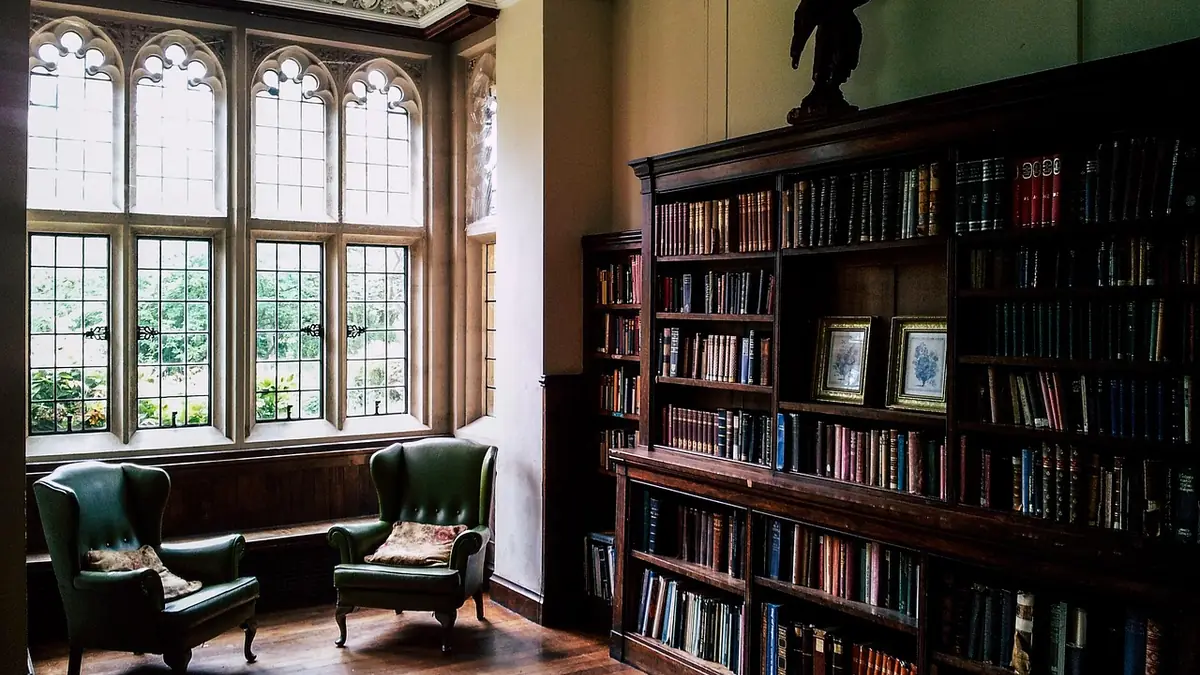
The built-in shelves are the part guests comment on, and they cost almost nothing because most of the contents came from other rooms. The styling follows a simple rhythm: about one-third books, one-third objects, and one-third empty space. Crowding shelves is the most common mistake — negative space is what makes the objects read as deliberate rather than stored.
Books are grouped by color family rather than alphabet, which sounds fussy but takes ten minutes and instantly looks intentional. A few bowls and a small plant break up the spines. For a fuller walkthrough of shelf composition, see How to Style Open Shelves in a Family Living Room — the stacking and spacing principles there are the ones I actually used here.
- Roughly one-third books, one-third objects, one-third air
- Group books by color, not title
- Vary heights — stack some horizontally
- Keep at least one shelf nearly empty
What the Whole Room Cost
Added up, the room landed between about $4,700 and $7,200, depending on which pieces you count as new. That is a realistic mid-range figure for a room of this size when you are buying seating, a rug, lighting and shelving accessories but keeping existing wall paint and window treatments. If you are starting from an empty room with no furniture at all, add another $1,000 to $2,000 for side tables, a media console and textiles.
It helps to decide early which category gets the money. If you want a framework for splitting the total before you shop, How Much Should You Spend on Family Room Furniture? lays out percentages that match what we ended up doing almost by accident — most of the money in seating, the rest spread thin across everything else.
- Seating: $2,600–$3,600
- Rug: $500–$900
- Lighting: about $600
- Accessories and shelves: $300–$600
- Side tables and console: $700–$1,500
Small Finishing Touches That Did the Most Work
The cheapest upgrades had the largest effect. A cable cover behind the television cost about $20 and removed the tangle of cords that made the room feel unfinished. Curtains hung two inches below the ceiling and extended 10 inches past each side of the window made the windows look larger for roughly $120 in hardware and fabric. A basket by the door for blankets ended the pile-on-the-floor problem for good.
One splurge I would repeat is the wool rug; one I would skip is the decorative tray on the coffee table, which mostly collects remote controls. If you are weighing a single bigger purchase, Monday Must-Have: How to Choose One Home Decor Splurge is a sensible way to decide which item earns it. Everything else in this room can be swapped without guilt.
- Cable cover: about $20
- Ceiling-high curtains widen windows for $100–$150
- One basket per door for blankets
- Skip decorative trays that only hold remotes
- Tape out the layout before buying anything; 36–42 inches of walkway is the number that matters.
- Performance fabric on the sofa is the single most practical upgrade in a family room.
- A rug that reaches 6 inches past the front legs of seating makes the whole room read as finished.
- Spend most of the budget on seating and keep accessories cheap and swappable.
Doreen writes about home decor, family living spaces and seasonal giveaways from a hands-on, budget-minded point of view. She focuses on practical room refreshes, honest cost breakdowns and simple styling ideas that work for busy families. Her goal is to help readers make confident decor decisions without overspending.